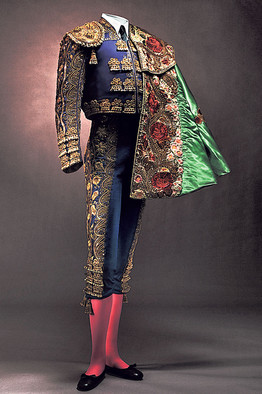
During the Sixteenth Century, Spain was widely known for fashion and elegance. The traditional Spanish clothing was widely known for elegance, austerity, rigidity, and superb decoration.
The cloth fabrics used for making traditional Spanish clothes were rich and heavy, with decorations in gold and silver thread with jewels or pearls.
The Moorish Culture greatly influenced Spanish dressing; it introduced rich embroideries, use of jewels, jeweled buttons, points and ornaments as well as heavy girdles and collars.
Capes, corsets, farthingale, which were bell-shaped all originated in Spain. Spain refused to develop or change its’ fashion sense and continued to use these styles well after they were outdated, this was the main cause for Spain to give up its title as center of European fashion to places like Paris.
Modern dress styles in Spain today are quite distinct from the traditional Spanish dress.
The rich cultural history of Spain has greatly influenced traditional Spanish dress styles. The modern Spanish dress style is in line with modern day clothing styles. Designer clothes are quite popular although more emphasis is placed on dress quality than the designer name.
Spanish dresses are high in quality but at reasonable prices. It is not uncommon to see more teenage girls in trousers than skirts with denim a popular choice among both sexes. For the teenage Spaniard looks and appearances are very important.
The mature Spaniard would likely be found dressing more conservatively but with style. Men favor colors that are not too bright while women like elegant and stylish clothes. Dress, quality and style are indicators of status in Spain.
Clothing and dress choice is very important in Spain. While western style of dress is very popular, scantly worn dresses are heavily frowned on in small villages in rural Spain. Also small skirts, swim wear or open dresses are frowned upon in churches. It is the fastest way to label yourself a tourist.